This was confirmed during the Fourth National Ecological Organic Agriculture Conference (4th NEOAC) held from 3–5 March 2026 at Mtumba Government City in Dodoma, Tanzania, under the theme “Agroecology for Sustainable Food Systems: Enhancing Food and Nutrition Security, Resilience, and Economic Stability.” The conference brought together policymakers, researchers, students, farmers, development partners, private sector and civil society organizations to discuss the role of agroecology in strengthening sustainable food systems in Tanzania. Among the participating institutions was Sokoine University of Agriculture (SUA), through researchers and students under Agroecology Hub in Tanzania (AEHT), contributing to knowledge exchange and discussions on agroecological research, innovation, and the promotion of sustainable farming practices aimed at improving food security, resilience, and environmental sustainability.
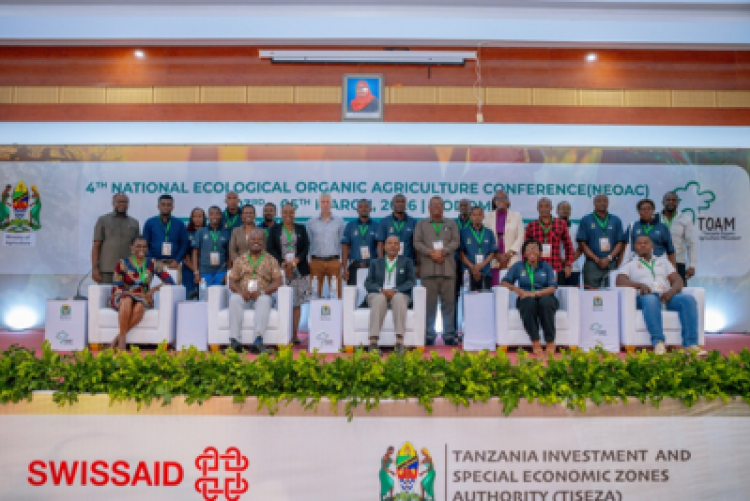
Agroecology Hub in Tanzania (AEHT) members at the 4th NEOAC conference in Dodoma
The opening session included welcoming remarks from the Tanzania Organic Agriculture Movement (TOAM) Mr. Bakari Mongo and high-level remarks were delivered by the Guest of Honour, Hon. David Silinde, Deputy Minister for Agriculture, who officially opened the conference. The speech emphasized the importance of agroecology in improving national food security, strengthening climate resilience, and enhancing livelihoods for smallholder farmers.
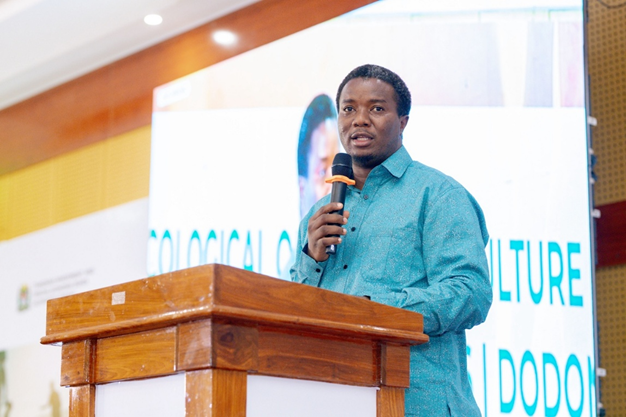
The Guest of Honour, Hon. David Silinde, Deputy Minister of Agriculture delivering an opening speech at the 4th NEOAC in Dodoma
A series of keynote presentations addressed key thematic areas of agroecology. These included food and nutrition security, climate resilience, inclusive economic benefits for smallholder farmers, and the role of neglected and underutilized species (NUS) in improving nutrition and climate adaptation. Speakers highlighted the potential of agroecological practices to enhance productivity while conserving ecosystems, strengthening local food systems, and improving farmer incomes.
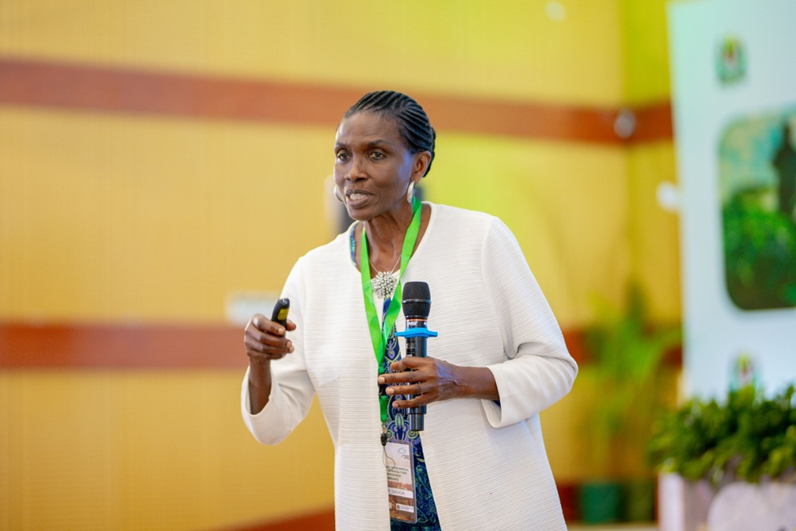
Prof. Kallunde Sibuga, member of the Agroecology Hub in Tanzania hosted at Sokoine University of Agriculture delivering a keynote speech on Food and Nutrition Security at the 4th NEOAC in Dodoma
Participants then engaged in solution-oriented workshops organized different sub-themes: These workshops featured presentations from researchers and practitioners on topics such as the nutritional value of indigenous crop varieties, biological pest control innovations, water use efficiency in semi-arid farming systems, agroecological farming experiences from various regions of Tanzania, and the economic benefits of agroecology for smallholder producers among others. Additional discussions examined the role of organic inputs, biological control agents, and agroecology in empowering women and youth entrepreneurs. Each workshop concluded with discussions and feedback sessions, allowing participants to share insights and recommendations.
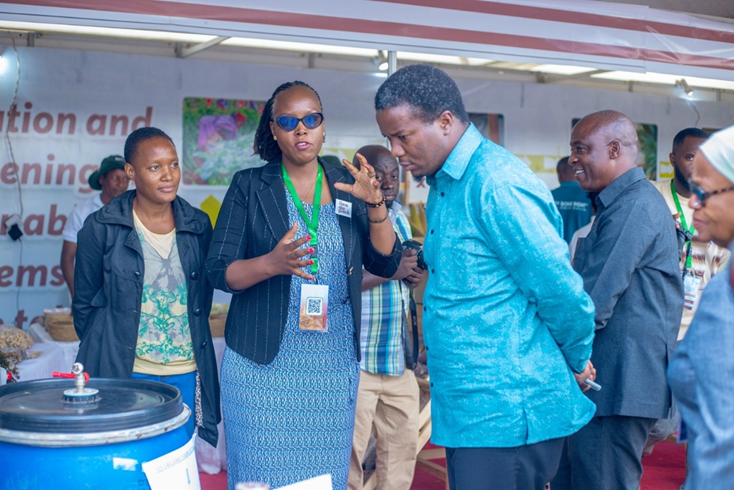
Hon. David Silinde, Deputy Minister of Agriculture listening to a member of Agroecology Hub Ms. Ayesiga Buberwa in exhibitions during the 4th NEOAC in Dodoma
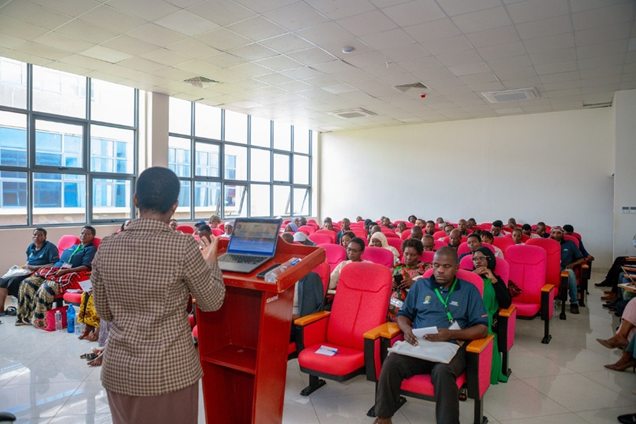
Dr. Suzana Nyanda chairing a session during one of the NEOAC solution session
Following the conclusion of the conference sessions, participants conducted a field visit to the Bihawana Farmers Training Centre (FTC) on 5 March 2026 to observe ongoing organic agriculture initiatives at the centre. The visit included a guided tour of the organic farm, greenhouse facilities, and the institute premises. During the tour, participants were introduced to various agroecological practices being implemented at the centre, including organic crop production techniques, soil fertility management approaches, and demonstration activities aimed at supporting farmer learning and capacity building. The visit provided an opportunity for stakeholders to gain practical insights into how ecological organic agriculture principles are being applied in real farming environments.
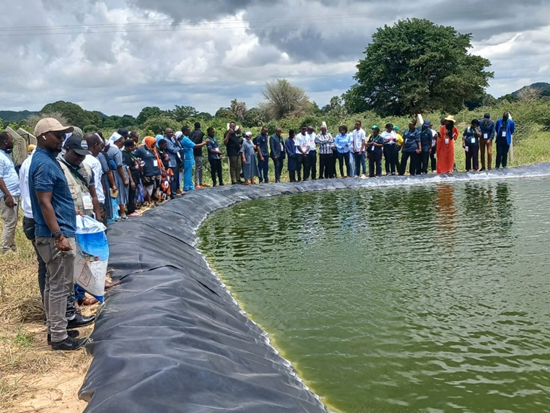
NEOAC participants during the Bihawana Field Visit in Dodoma
Later in the evening of the same day, a gala dinner was organized, bringing together conference participants, partners, and stakeholders for networking and informal engagement. The event also featured an award ceremony recognizing institutions that have made significant contributions to advancing ecological organic agriculture. During the ceremony, Sokoine University of Agriculture (SUA) was presented with a Certificate of Recognition for its contributions in Applied Research, Farmer Participatory Trials, and Extension that translate Ecological Organic Agriculture science into practical on-farm improvements. The recognition highlighted the university’s role in bridging scientific research with practical agricultural applications that support farmers and sustainable food systems in Tanzania.
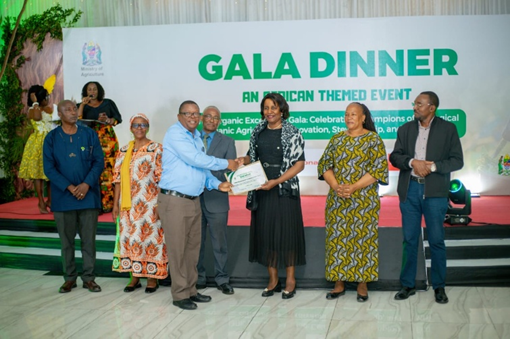
Prof. Anthony Sangeda receiving SUA certificate from Dodoma Reginal Commissioner on recognition for excellence in Ecological Organic Agriculture research, farmer participatory trials and Extension Services
Share this page


