The Government of Tanzania, through the Ministry of Education, Science and Technology, has emphasized that collaboration among universities is a vital source of knowledge, a driver of innovative solutions, and a cornerstone for safeguarding future generations in pursuit of sustainable development.
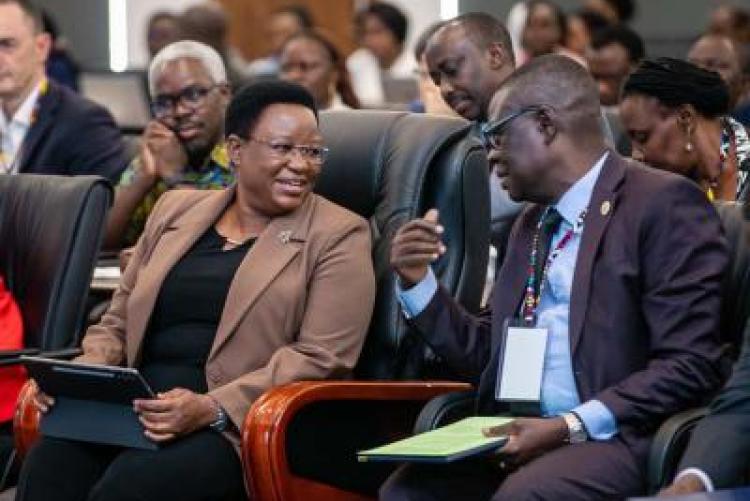
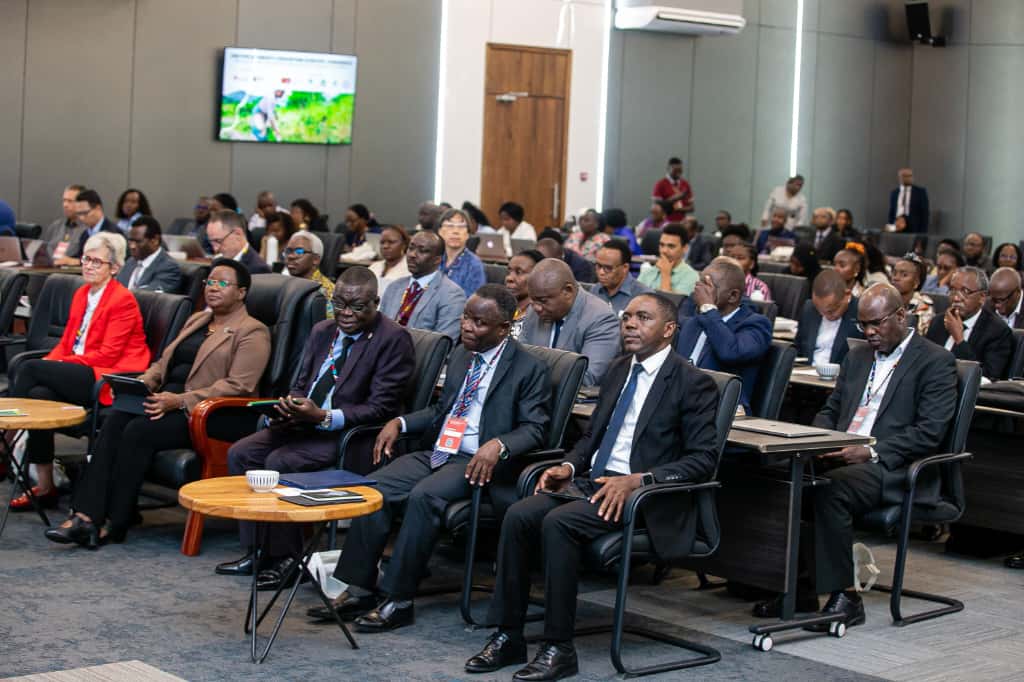
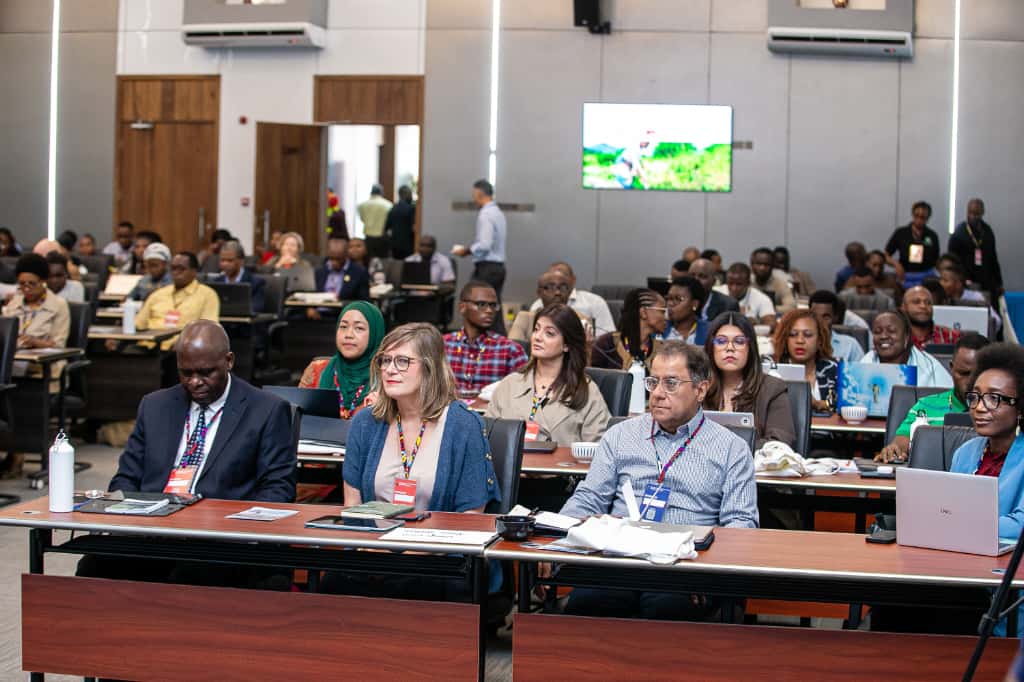
This statement was made by Prof. Carolyne Nombo, Permanent Secretary of the Ministry, during the opening of the Second Scientific Conference of the Five Universities Alliance, held in Morogoro. The Alliance brings together Sokoine University of Agriculture (SUA), the University of Dar es Salaam (UDSM), the Aga Khan University (AKU), the Nelson Mandela African Institution of Science and Technology (NM-AIST), and Simon Fraser University (SFU), Canada.
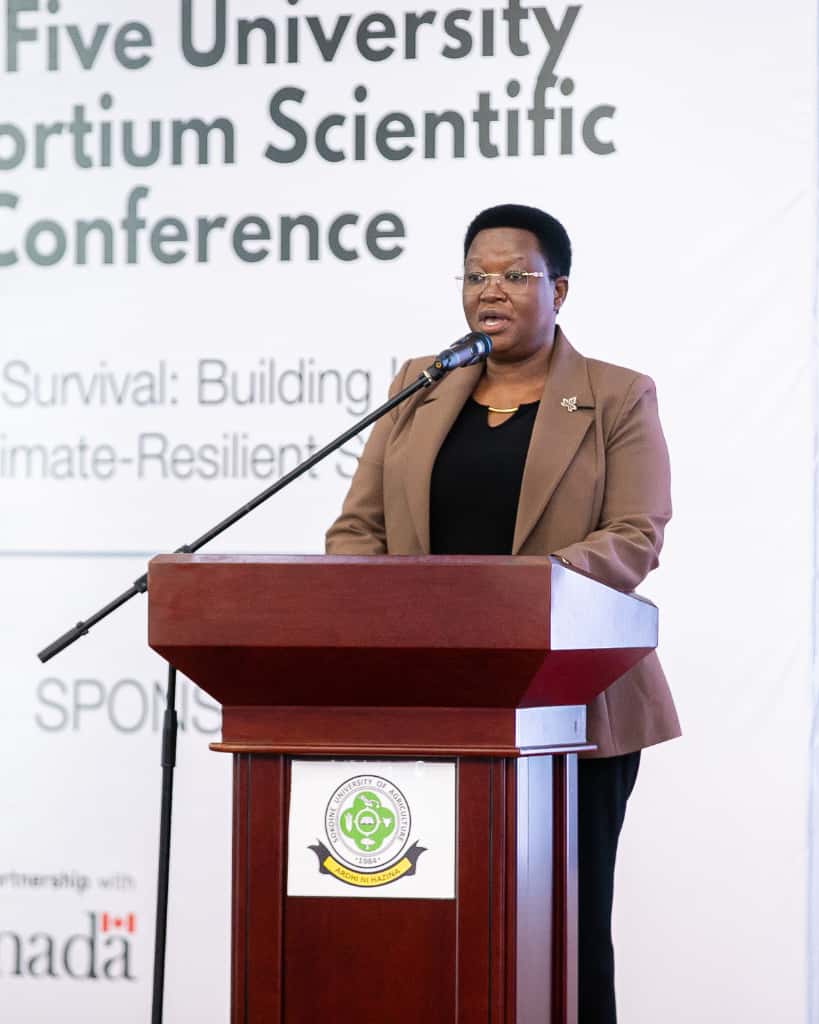
Prof. Nombo commended the efforts of the Alliance universities and highlighted SUA’s outstanding work in sustainable agriculture, which has enabled communities to better adapt to environmental changes. She stressed the importance of such collaborations in addressing global challenges, noting that society faces pressing issues such as climate change, food insecurity, fragile health systems, and social inequality.
Prof. Nombo emphasized that the Five Universities Alliance provides a strategic platform for sharing research resources, exchanging expertise, and fostering innovation. She noted that such partnerships enhance research quality, strengthen policy frameworks, and create practical solutions to regional and global challenges.
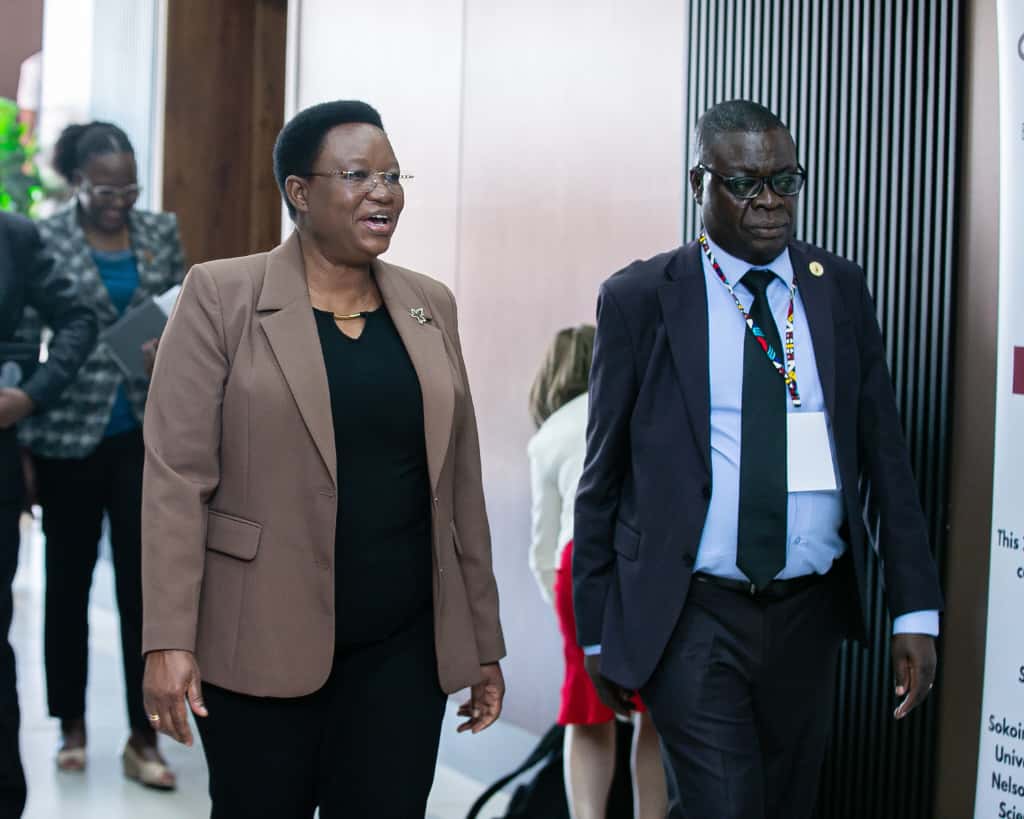
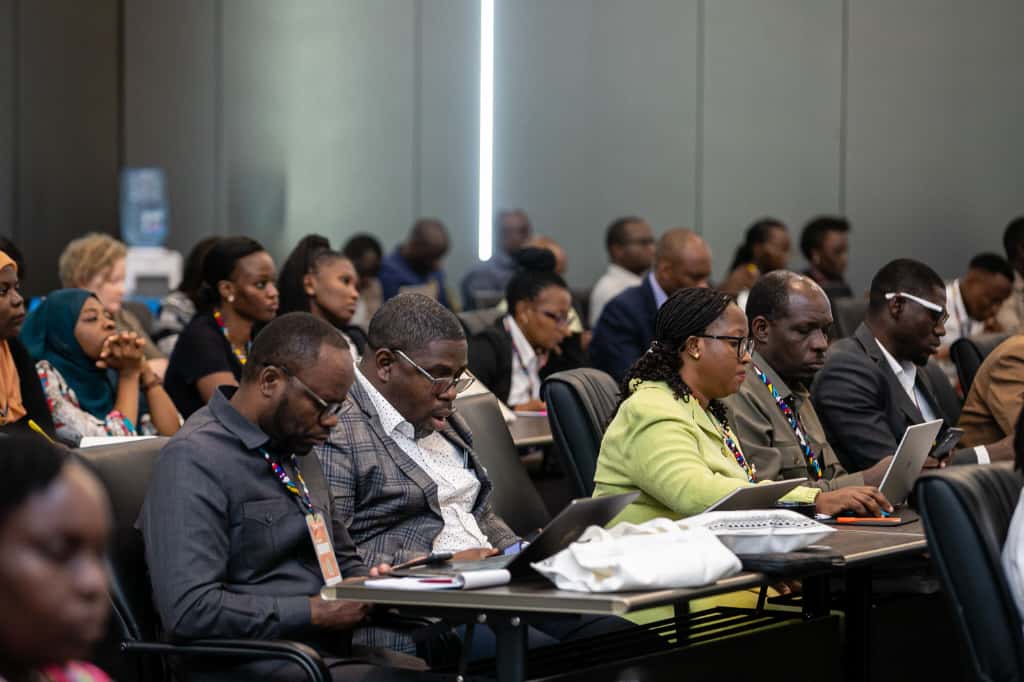
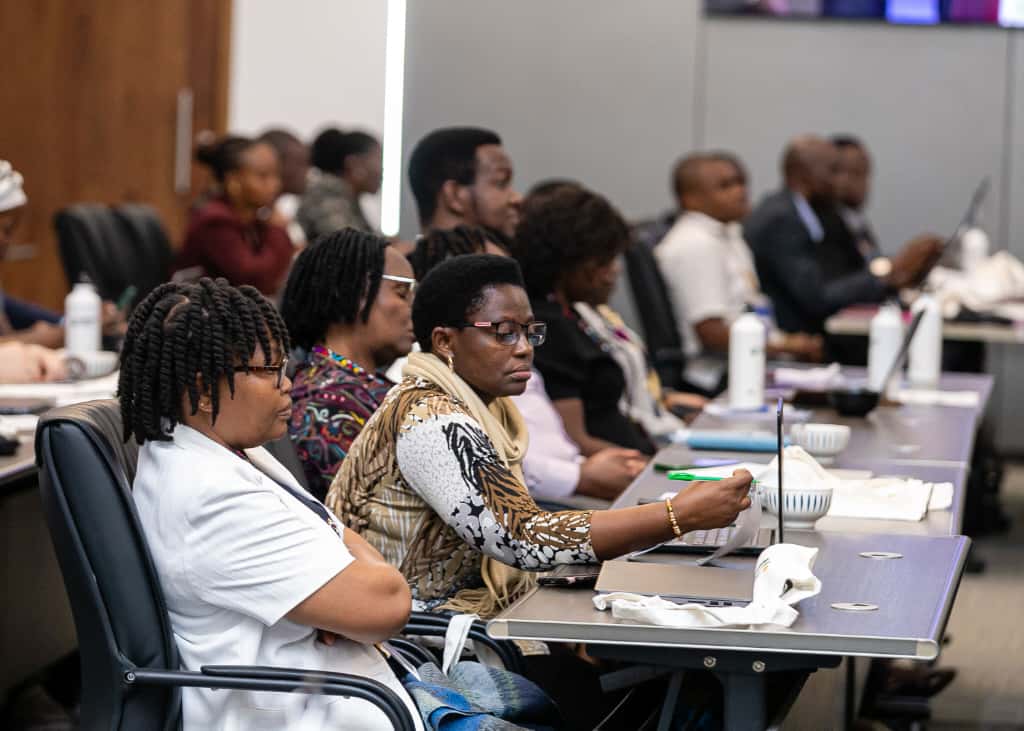
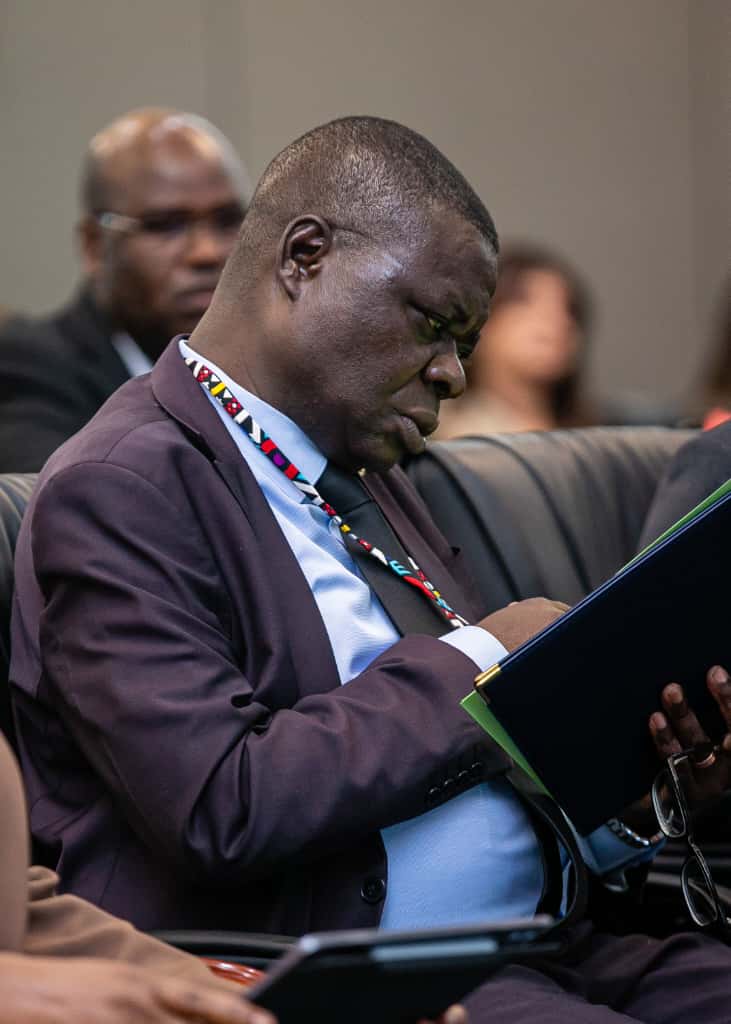
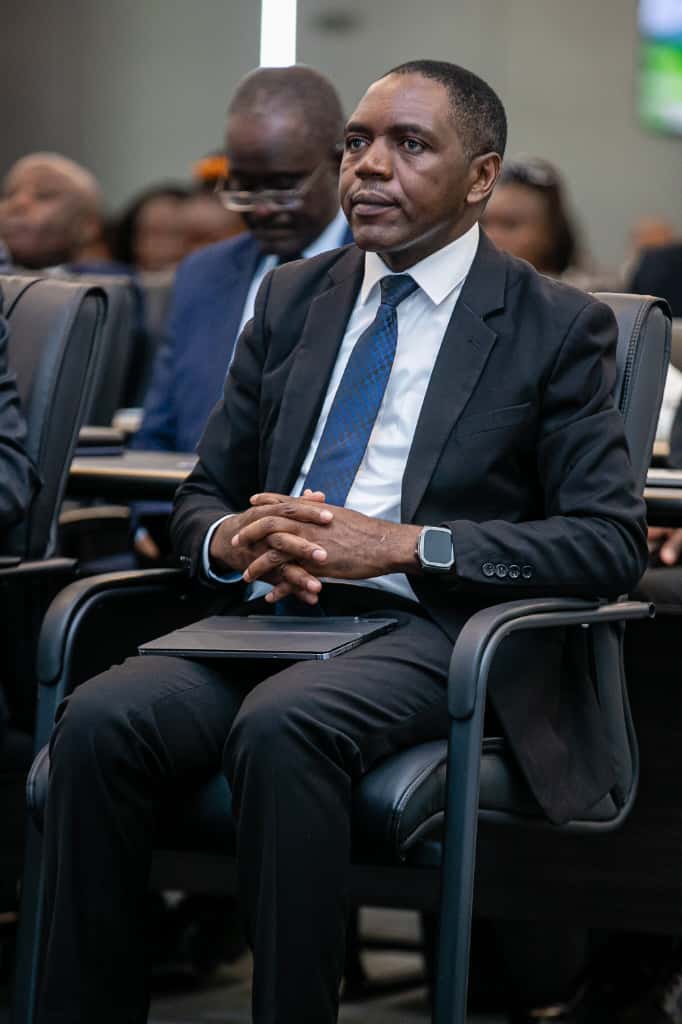
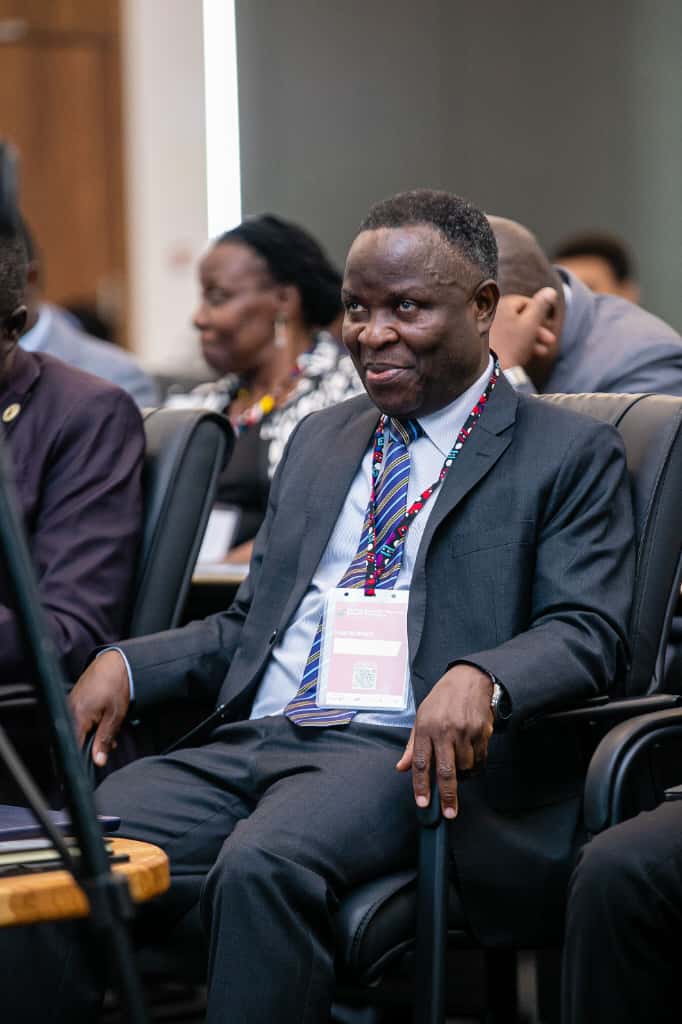
The conference, hosted by SUA, aimed to bring together scholars, policymakers, and professionals to engage in meaningful dialogue on sustainable solutions. Prof. Nombo highlighted that the event offered an opportunity to explore new strategies for climate adaptation, health system resilience, and food security while promoting social equity and regional cooperation.
Through this platform, participating universities are expected to advance collaborative research, build technical capacity, and translate academic knowledge into tangible solutions that benefit communities. Prof. Nombo concluded by congratulating SUA and its partners for organizing the conference, which she described as an important initiative fostering inclusive, sustainable, and science-based solutions for the benefit of current and future generations.
Share this page


