In support of the Government’s commitment to promoting the use of renewable energy, Sokoine University of Agriculture (SUA), through the Nishati Project, implemented in two universities in Tanzania and four others across Africa, continues to offer training in renewable energy to a range of professionals, including engineers. The program involves international experts to ensure that participants emerge as skilled specialists in energy-related fields.
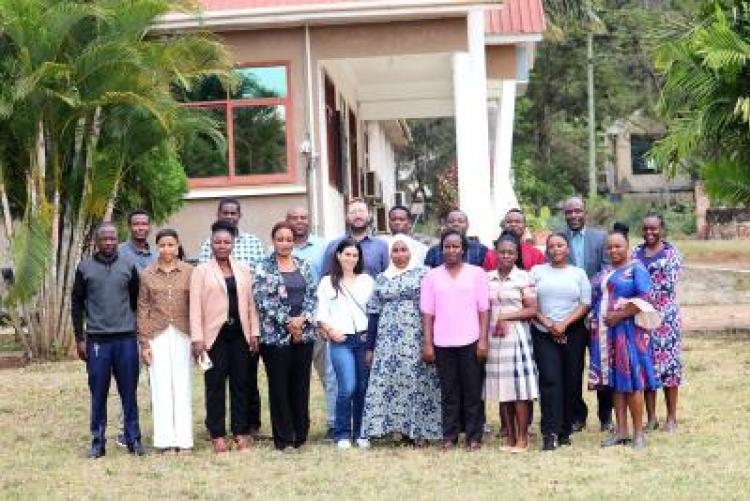
This was highlighted by Prof. Esron Karimuribo, Principal of the College of Veterinary Medicine and Biomedical Sciences and the Tanzania Coordinator of the Nishati Project, during the closing session of a training workshop. The workshop aimed to build participants' capacity in renewable energy technologies, with the broader goals of improving agricultural productivity and enhancing social welfare.
Prof. Karimuribo noted that the training, funded by the Nishati Project, empowers participants to support their communities in adopting alternative energy solutions for cooking and agricultural applications—thereby contributing to better livelihoods for both current and future generations.
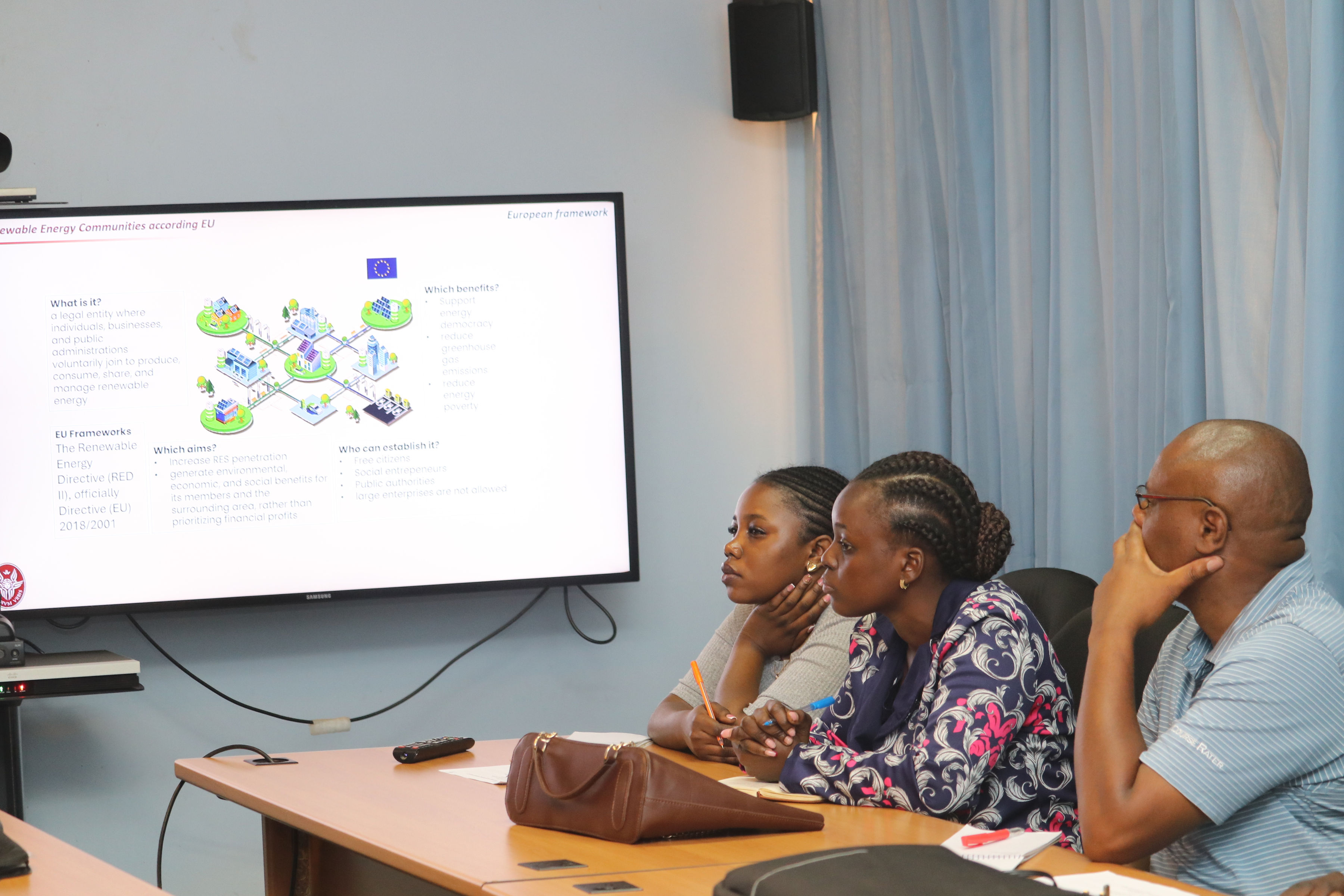
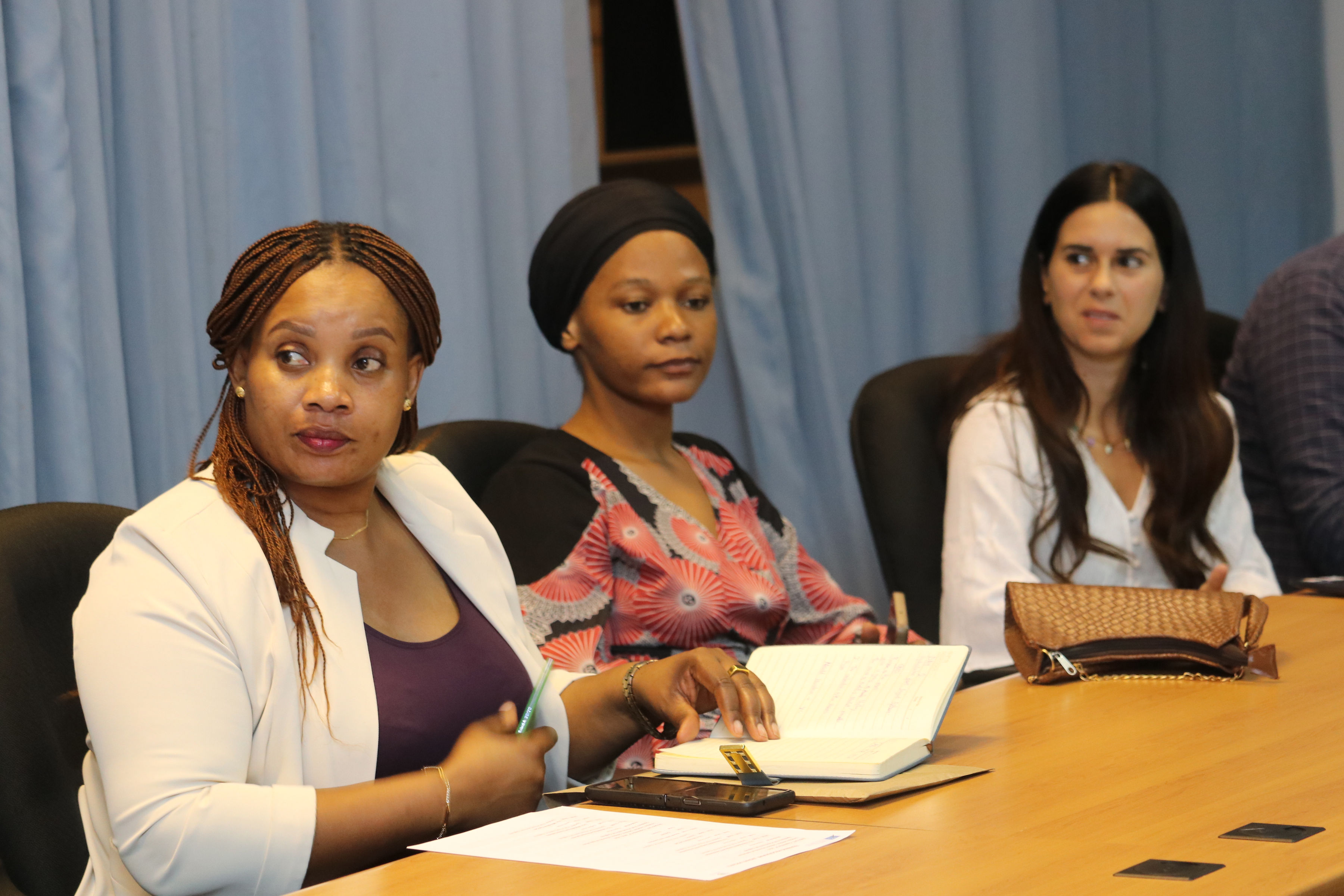
"Our goal is to end the practice of deforestation and environmental degradation," said Prof. Karimuribo. "By embracing alternative energy sources, we protect the environment and make energy more accessible and efficient for both households and industries."
Prof. Isabella Pizzuti from Sapienza University of Rome, Italy, shared her insights from years of experience in renewable energy production. She emphasized the continuous availability and efficiency of renewable energy sources and noted their significant impact on public health.
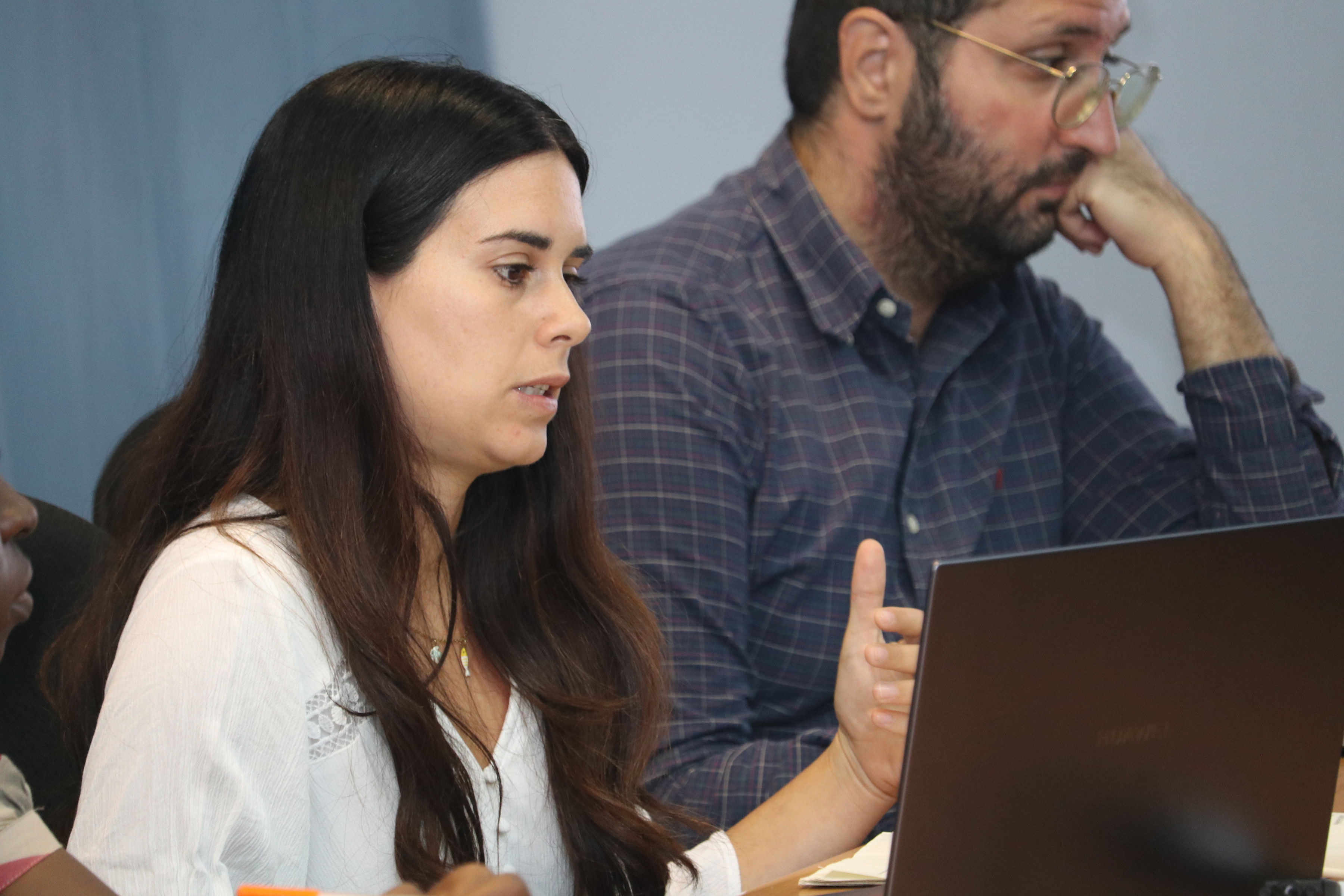
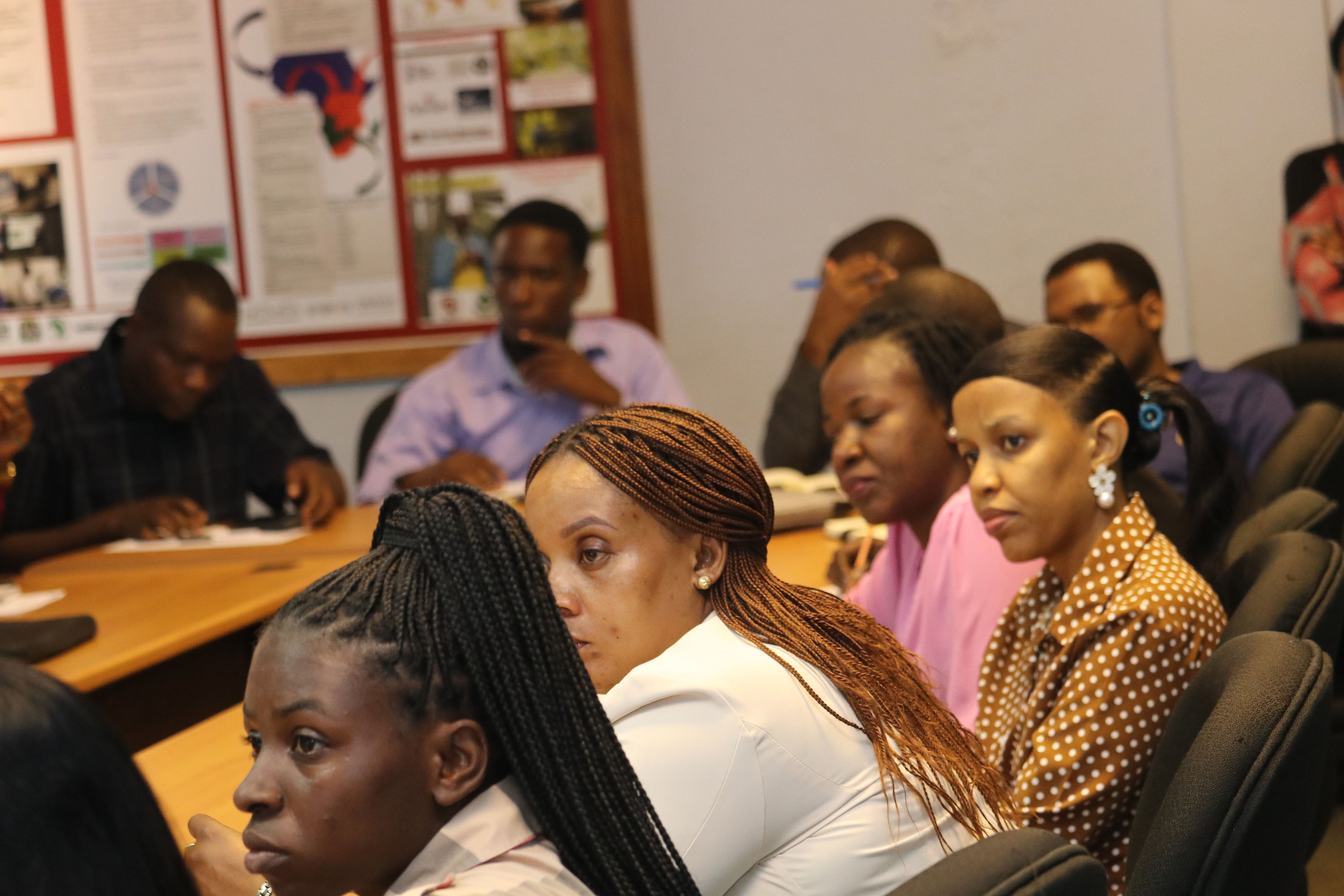
"Renewable energy plays a crucial role in improving citizens' health—especially women—by replacing traditional cooking fuels like charcoal, which have harmful health effects," she said.
Engineer Benjamin Msimbe, a participant from the SUGECO Project, expressed optimism about the potential for community transformation through the use of renewable energy.
"This training has shown us that communities can shift to alternative energy sources such as solar and biomass to generate electricity and support various social needs," he stated.
Share this page


