Rain fed rice farmers in Morogoro, Shinyanga and Songwe regions are gaining renewed optimism as researchers advance efforts to develop climate resilient rice varieties under the Climate Resilient and Eco friendly Rice for Africa (CERA) project.
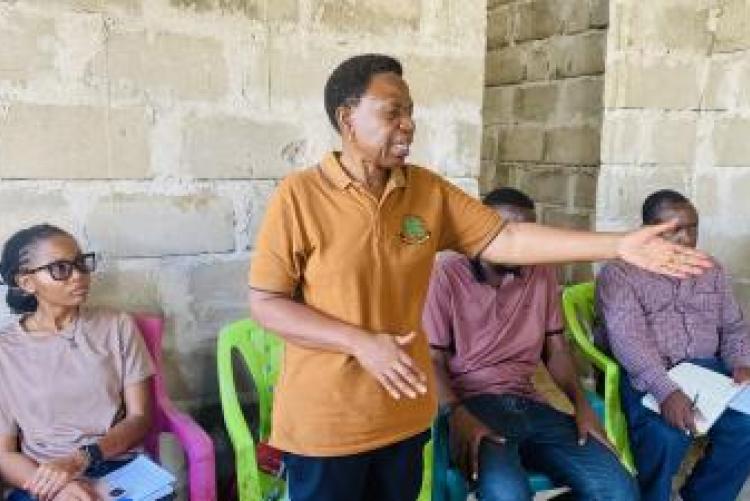
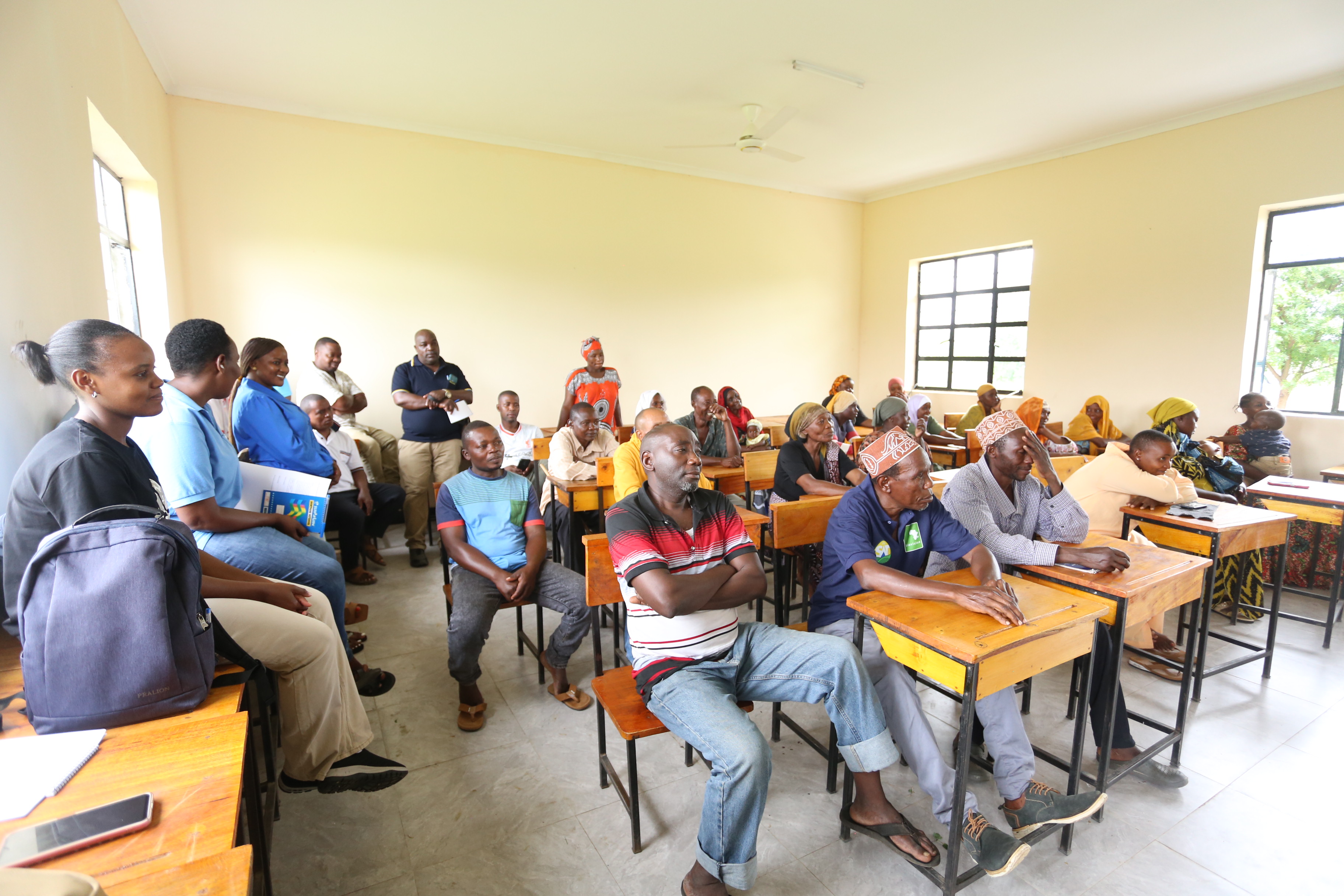
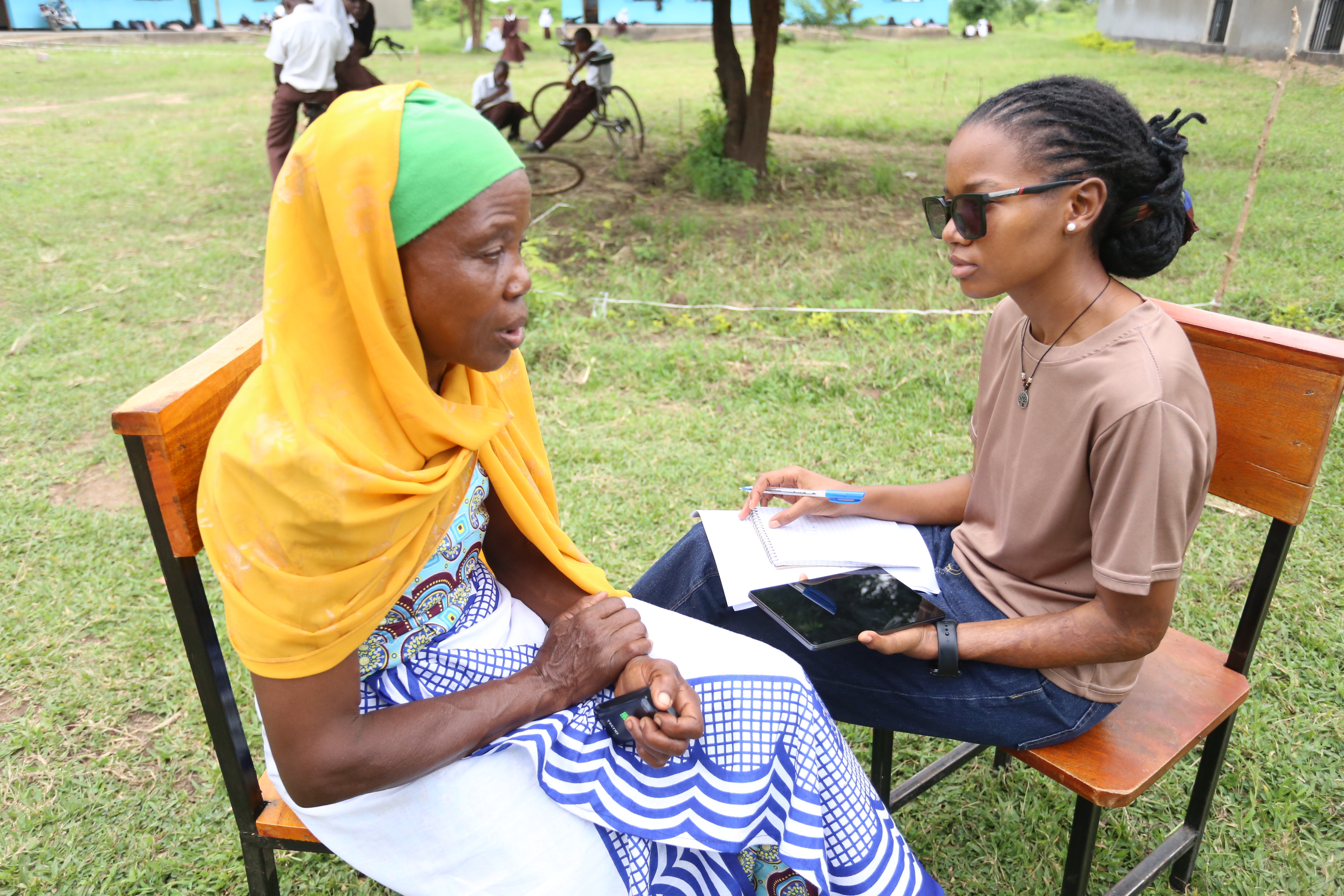
The encouraging feedback emerged during a baseline data collection exercise conducted in eight villages and involving about 258 farmers. The study, led by Sokoine University of Agriculture (SUA) in collaboration with Tanzania Agricultural Research Institute (TARI), aims to better understand farming challenges and guide the development of sustainable, high performing rice seeds.
Farmers reported that unpredictable rainfall patterns ranging from delayed onset to shorter rainy seasons have severely affected rice production. These changes have led to water shortages, repeated planting, reduced yields and increased costs, ultimately threatening both incomes and household food security.
According to the project’s Principal Investigator, Prof. Suzana Nchimbi Msolla, the CERA initiative is focused on developing drought tolerant rice varieties tailored to local conditions, while also promoting climate smart agricultural practices such as direct seeding and crop rotation.
Beyond improving seed quality, the project is set to enhance farmers’ resilience by empowering women, boosting productivity and incomes and safeguarding the environment. Supported by DANIDA and implemented with international partners, the initiative is expected to deliver lasting impact for rice farmers in Tanzania and across Africa.
Share this page


